Types of floor coatings include:
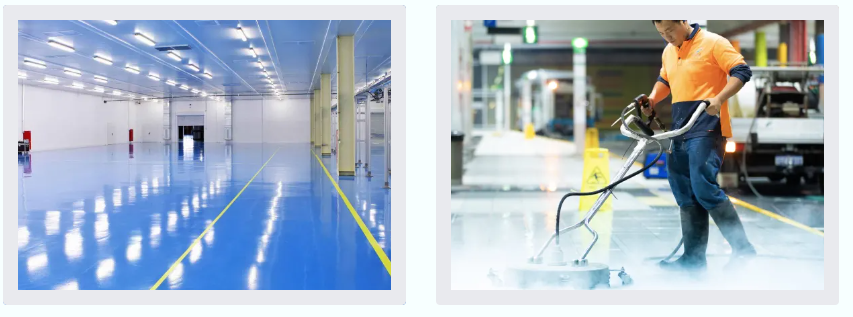
Epoxy floor coatings
Polyurethane resins
Decorative flake floors
Polished concrete
Waterproof linoleum
PVC floor covering
Laminated flooring
Ceramic flooring
Tile flooring
Epoxy floor coatings
Polyurethane resins
Decorative flake floors
Polished concrete
Waterproof linoleum
PVC floor covering
Laminated flooring
Ceramic flooring
Tile flooring
· Safety: They protect your floors against wear and tear, chemicals, and stains.
· Beauty: Coatings beautify floor coverings.
· Easy to Maintain: Unlike a conventionally designed surface, the floor coat needs fewer maintenance operations, such as cleaning and polishing, thus saving time and effort.
Many designers consider factors like structural height, zoning regulations, environmental coverage, and fixtures when determining the functionality of a space. However, one critical aspect that often requires attention is the floor, specifically the choice of floor coatings that best align with the space's purpose.
Polyurethane floor coatings are softer than epoxies, making them more comfortable for walking and standing over long periods. These coatings are also relatively resistant to contaminants and can be applied with decorative patterns to enhance aesthetic appeal.
Epoxies are an excellent choice for garage floors and warehouses due to their exceptional durability. Epoxy resins create a seamless, dirt- and water-resistant surface, ideal for heavy-duty use. Additionally, epoxy flooring is typically more affordable than polyurethane. However, while strong, epoxy isn’t entirely scratch-resistant. This limitation can be addressed by applying a polyurethane topcoat to improve scuff resistance.
Certain industries require floors to meet stringent regulations, such as being non-permeable, waterproof, and crack-free where the floor adjoins the walls. For example, hospital and surgery floors must be micrometre-level smooth and feature waterproof, flexible coatings that curve up the walls for easy cleaning.
In areas prone to liquid spills, which may create slippery surfaces, safety can be enhanced using non-slip mats, tapes, or textured coatings to ensure the safety of users.
While residential spaces often opt for wood, carpet, or tile, commercial spaces typically demand more robust coatings. Common options include:
The choice depends on the specific needs and intended use of the floor.
Polyurea floor resins are versatile, suitable for both interior and exterior applications. These resins are slip-resistant and UV-stable, ensuring durability over time. They provide seamless coatings, making them ideal for both decorative and resilient surfaces. For instance, a restaurant floor can achieve a high-gloss, decorative finish while maintaining durability. In outdoor applications, polyurea coatings offer high slip resistance and UV protection.
Kleenit’s high-performance topcoats are non-porous, food-grade, and exceptionally strong, ensuring lasting quality.
Epoxy coatings are widely recognized for their durability and aesthetic versatility, making them perfect for garage floors, kitchens, showrooms, and warehouses. However, improper application, often due to poor surface preparation, can lead to issues like peeling and shortened longevity. Ensuring a clean, dry, and properly prepared substrate is critical for successful application.
Anti-slip floor coatings are essential for meeting health and safety standards. These coatings involve creating a slightly textured surface to enhance grip, providing a simple yet effective solution for safer flooring.
Floor coating costs are typically calculated per square metre. Factors influencing the final cost include:
When choosing a floor coating, consider the following:
With numerous variables to consider, selecting the right commercial floor coating requires professional insight. Kleenit offers a free, no-obligation quote service to help determine the best solution for your flooring needs. Contact them today to discuss your requirements.